Certification in Paediatric Physiotherapy & Rehabilitation
Upgrade to a Paediatric Rehabilitation Specialist
About the Program
The Online Certification in Paediatric Physiotherapy & Rehabilitation is an internationally accredited program designed to help physiotherapists develop specialized clinical expertise in managing developmental, neurological, and musculoskeletal conditions in children.
This comprehensive program equips physiotherapists with advanced knowledge and clinical skills to assess, diagnose, and rehabilitate infants, children, and adolescents with developmental and neurological disorders.
- Step-by-step learning of paediatric physiotherapy assessment and rehabilitation.
- Understand normal child development and movement milestones.
- Clinical management of developmental disorders in children.
- Learn treatment techniques for cerebral palsy and neurological conditions.
- Evidence-based paediatric rehabilitation strategies.
- Hands-on demonstrations and real clinical case discussions.
- Develop structured paediatric rehabilitation programs.
- Improve clinical reasoning for paediatric physiotherapy cases.
- Gain expertise in treating infants, toddlers, and adolescents.
- Earn a globally recognized certification trusted in 190+ countries.
By the end of this program, you will confidently assess and manage paediatric conditions using evidence-based physiotherapy techniques.


Advanced Learning
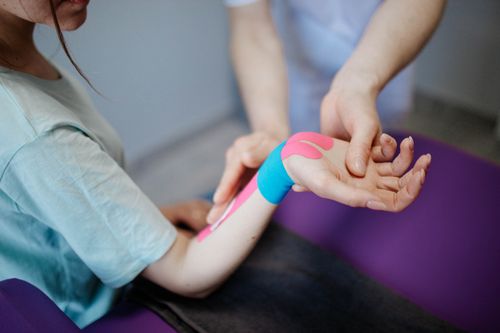 Master Paediatric Physiotherapy Assessment Techniques
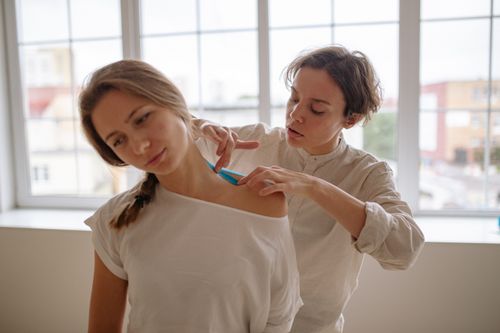 Understand Child Development & Motor Milestones
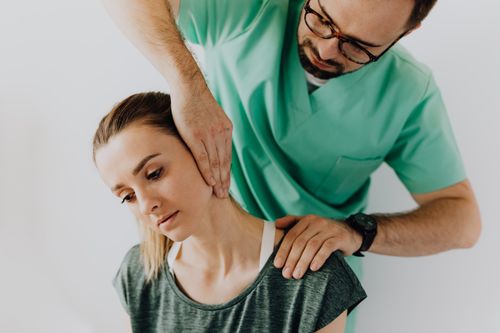 Clinical Management of Cerebral Palsy & Developmental Disorders
 Hands-on Paediatric Rehabilitation Techniques
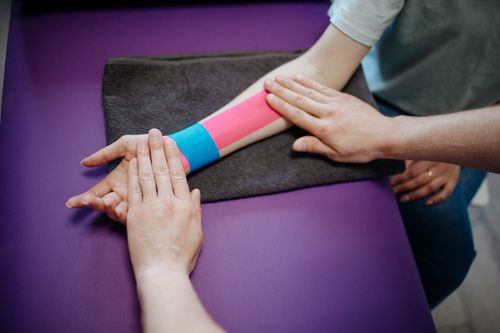 Design Individualized Therapy Programs for Children
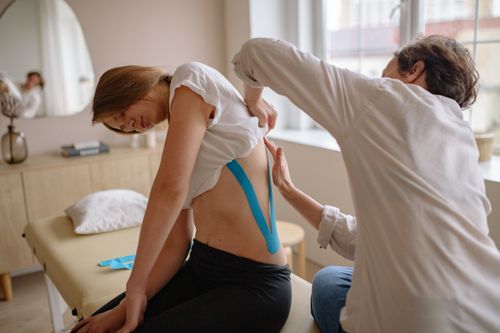 Evidence-Based Treatment Strategies for Paediatric Conditions

Instructor
Dr. Chakshu Bansal
Physiotherapist, Educator and 3 times world record holder

Instructor
Prof. Krishna N. Sharma
Vice-Chancellor at St. Louis University, Educator and 9-time world record holder
Program Highlights
Eligibility
- BPT
- MPT
- (BPT or Equivalent Degree Mandatory)
Accreditations


Curriculum
- Understand structural and functional development from infancy to childhood
- Explore neuroplasticity and its role in pediatric motor recovery
- Learn cellular mechanisms behind spasticity and motor disorders.
- Understand how neurophysiology guides therapy planning.
- Assess movement quality and postural control in infants and children
- Use video-based and observational analysis for accurate diagnosis.
- Identify compensatory patterns and developmental deviations.
- Correlate posture findings with neuromotor function.
- Review age-appropriate motor, cognitive, and social milestones.
- Identify red flags in delayed development
- Correlate milestones with neurological and musculoskeletal growth
- Understand milestone variability among children
- Differentiate between typical and atypical postural development.
- Recognize abnormal muscle tone and alignment patterns.
- Apply corrective and preventive strategies in early childhood
- Analyze posture in relation to balance and stability
- Understand pediatric disability rights and ethical responsibilities
- Learn about inclusive education and rehabilitation policies.
- Promote advocacy for child welfare and accessibility.
- Understand the physiotherapist’s legal role in pediatric care.
- Learn validated assessment tools (GMFM, PDMS, BOT-2).
- Interpret scoring to evaluate functional improvements.
- Integrate measures into evidence based pediatric practice
- Select suitable scales for different pediatric conditions
- Conduct safe physical and neurological assessments in fragile infants.
- Identify early signs of developmental delay or sensory issues
- Collaborate with NICU teams for integrated care
- Apply gentle handling and positioning for neuroprotection
- Educate parents in developmental care techniques.
- Design early physiotherapy protocols for preterm and at-risk babies.
- Support neurobehavioral organization and sensory regulation.
- Apply positioning, handling, and stimulation techniques.
- Perform comprehensive pediatric physiotherapy assessments
- Analyze sensory, motor, and cognitive domains
- Use case-based clinical reasoning for diagnosis.
- Formulate age-specific evaluation protocols.
- Measure QoL in children with chronic conditions.
- Develop family-centered rehabilitation plans.
- Foster community participation and inclusion.
- Evaluate psychosocial aspects of pediatric rehabilitation.
- Understand pediatric gait development stages.
- Plan corrective interventions through orthotics and training.
- Identify common gait deviations in neurological and orthopedic cases.
- Correlate gait deviations with underlying pathology.
- Explore CP classification, etiology, and clinical types.
- Plan physiotherapy based on functional levels (GMFCS).
- Implement neurodevelopmental and task-based interventions.
- Integrate assistive technology and orthoses in management.
- Understand sensory processing and behavioral responses.
- Identify sensory dysfunctions in autism and ADHD.
- Design SI-based therapeutic environments.
- Incorporate play-based interventions for engagement.
- Review latest research in pediatric neurorehabilitation
- Explore technology-based therapies (VR, robotics, tele rehab).
- Apply evidence-based principles to clinical practice.
- Critically appraise new pediatric rehabilitation models.
- Explore vocational and adaptive skill development neurorehabilitation.
- Identify lifelong support systems and assistive technologies.
- Guide families in long-term rehabilitation pathways.
- Promote inclusion through community-based programs.
Frequently Asked Questions
Benefits
Become a Certified Paediatric Physiotherapy SpecialistGain Expertise in Child Development & Motor MilestonesTreat Cerebral Palsy, Developmental Delay & Neurological ConditionsDesign Effective Rehabilitation Programs for ChildrenExpand Career Opportunities in Paediatric Hospitals & ClinicsBuild a Specialized Career in Paediatric RehabilitationVideo Testimonials

Let’s check out what we can achieve and what professionals think about us.
Request a Callback
We are here to assist you with any queries.
Feel free to contact us via WhatsApp at:
+91-8800220066,+91-9990100373 during office hours (9 AM to 6 PM IST, weekdays).
We are happy to help!